Language
EnglishFull degrees taught in English
Forty hours of permitted work a week — undergraduate or postgraduate, no distinction.
Poland allows students to work forty hours a week, and it does not distinguish between undergraduates and postgraduates in doing so. Combined with living costs at the low end of the European Union, that makes the practical economics of studying here different from almost anywhere else on this list.
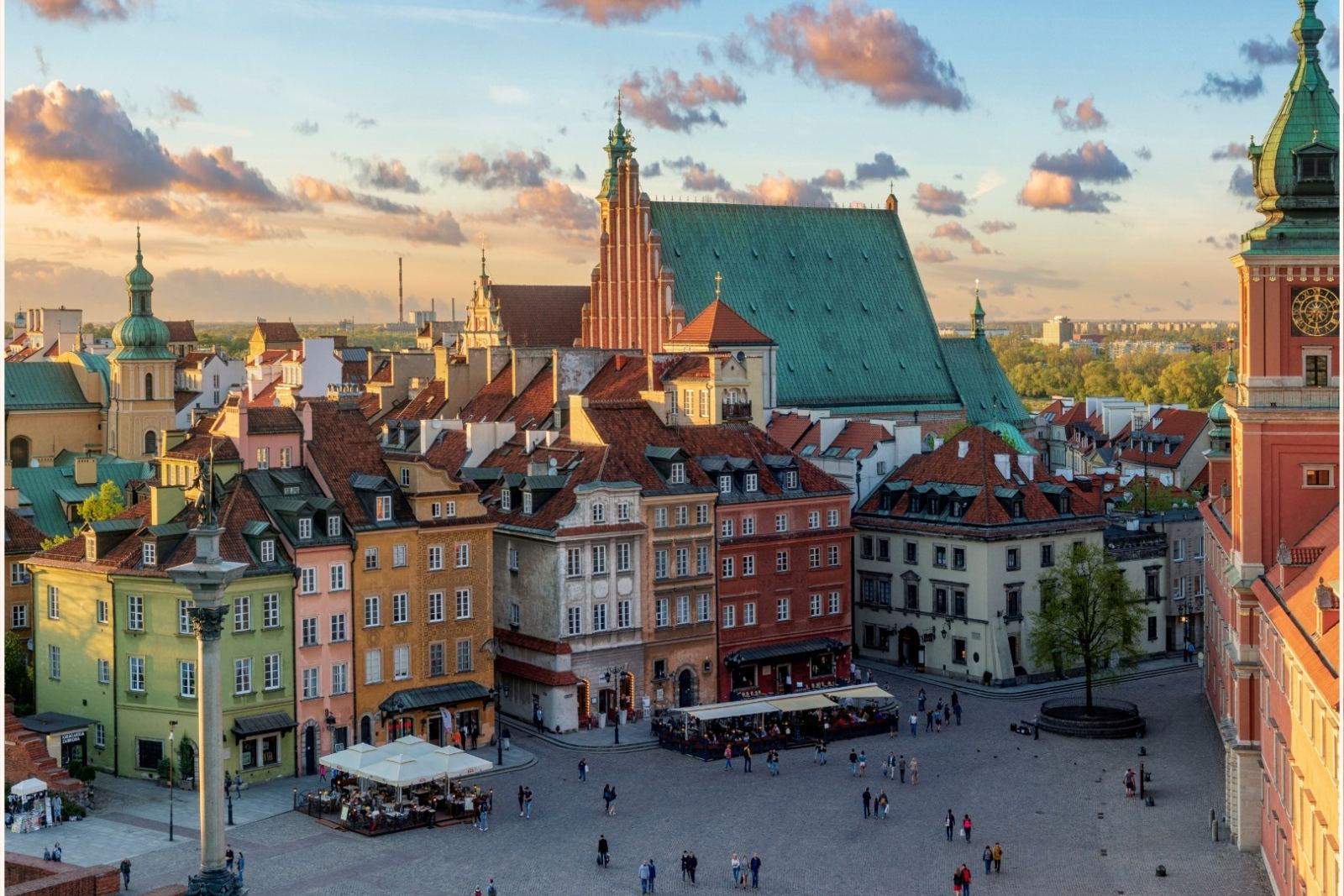
The country has become the largest destination in Central Europe for enterprise IT, shared services and e-commerce logistics. Warsaw, Kraków and Wrocław all host substantial technology sectors that employ in English.
Poland is outside the eurozone and uses the złoty, which in practice means everyday costs are lower than the euro-denominated countries around it.
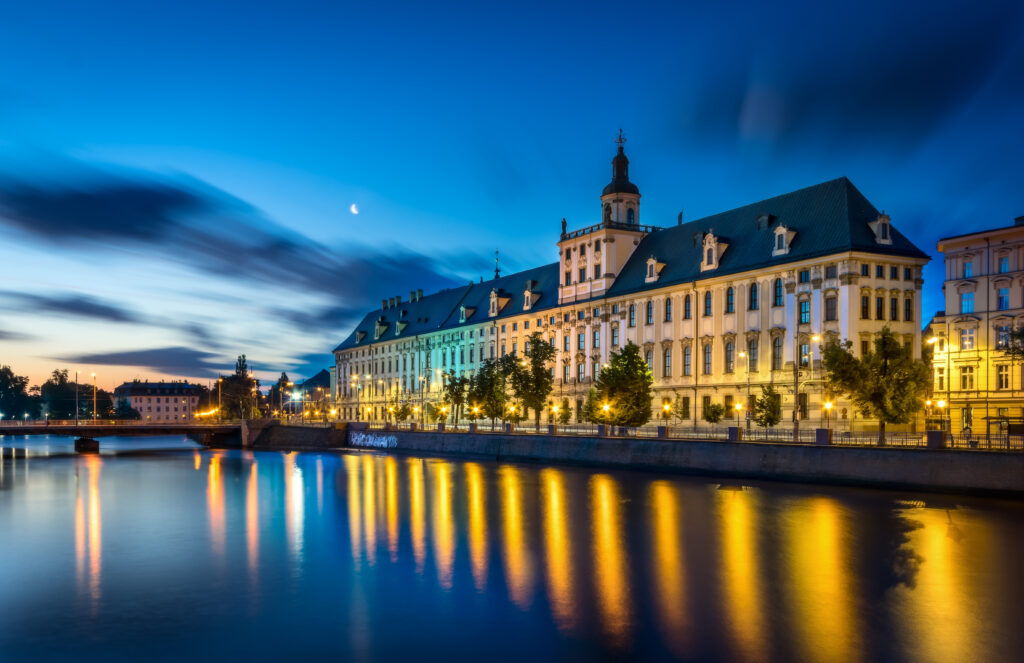
A major university in one of Poland’s largest student cities, with English-taught programmes and a technology sector on its doorstep that recruits graduates directly.
Requirements vary by institution and by programme. These are the documents every file needs.
Poland is among the least expensive destinations in the European Union, and it is outside the eurozone.
Tuition varies widely by field, and each university sets its own fees. Living costs depend on the city, on whether you take university accommodation or a private flat, and on how much you cook. The residence permit carries its own financial requirement, set by the migration authority and reviewed periodically.
We prepare a written cost estimate for every student we work with. Tuition for your specific programme, realistic monthly costs for the city you will actually live in, the current requirement for the permit, and the scholarships you may be eligible for. Built around your circumstances rather than a generic table — and there is no charge for it.
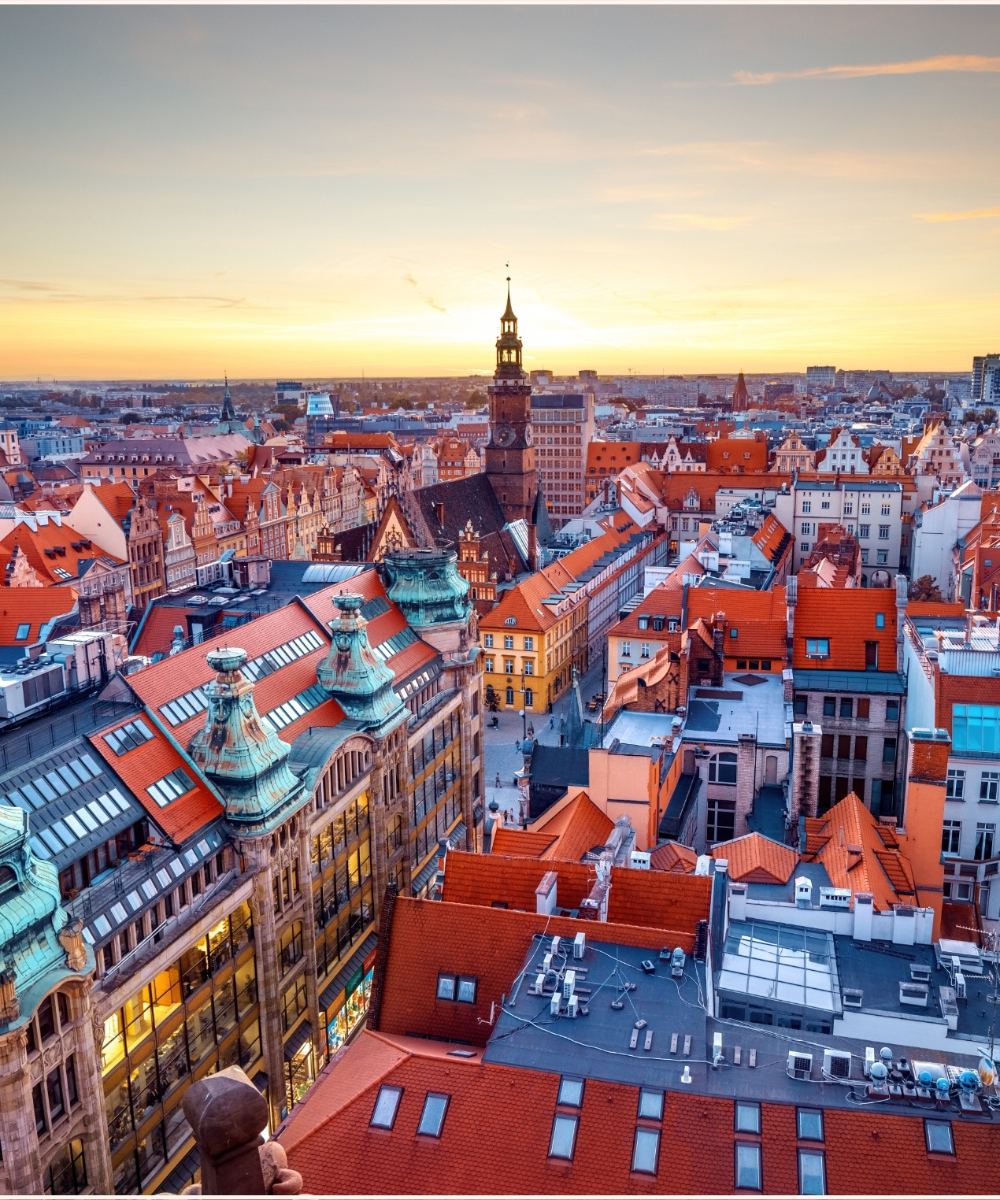
Wrocław, where our partner university is, is one of Poland’s main student cities — a large market square, a dense student population, and a technology sector that recruits from the universities directly. Warsaw and Kraków are two to three hours away by train.
Student housing is inexpensive by European standards, whether in university dormitories or private flats, and public transport is cheap and comprehensive.
English is spoken widely among younger Poles and throughout the university system. Poland has a large and long-established South Asian student community, which makes arrival considerably easier than it might be.
A free consultation at our Colombo or Kurunegala office, or online. Bring your transcripts and we will tell you where you stand.