Language
EnglishFull degrees taught in English
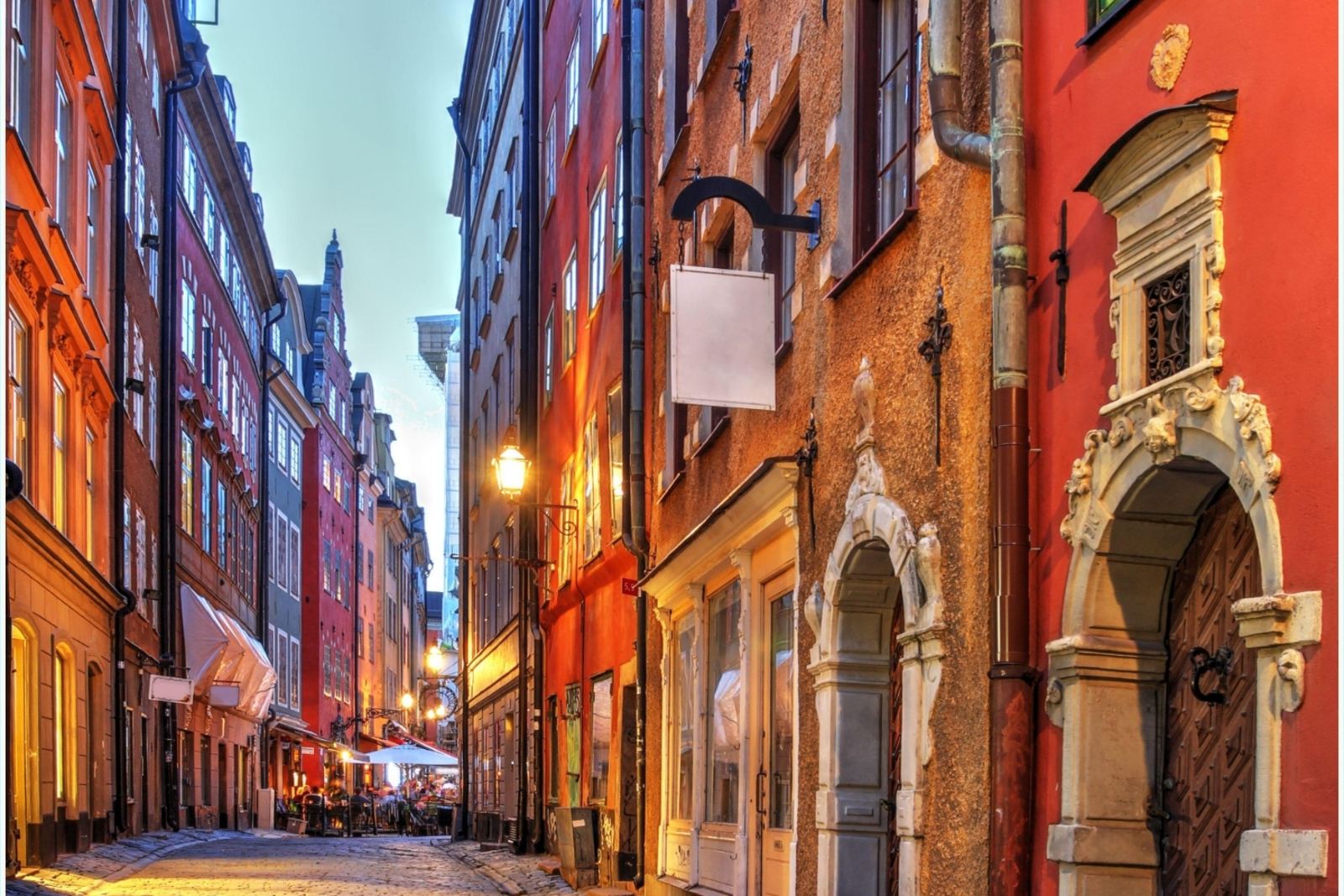
The destination for engineering and sustainability — and the one with the strongest family rights.
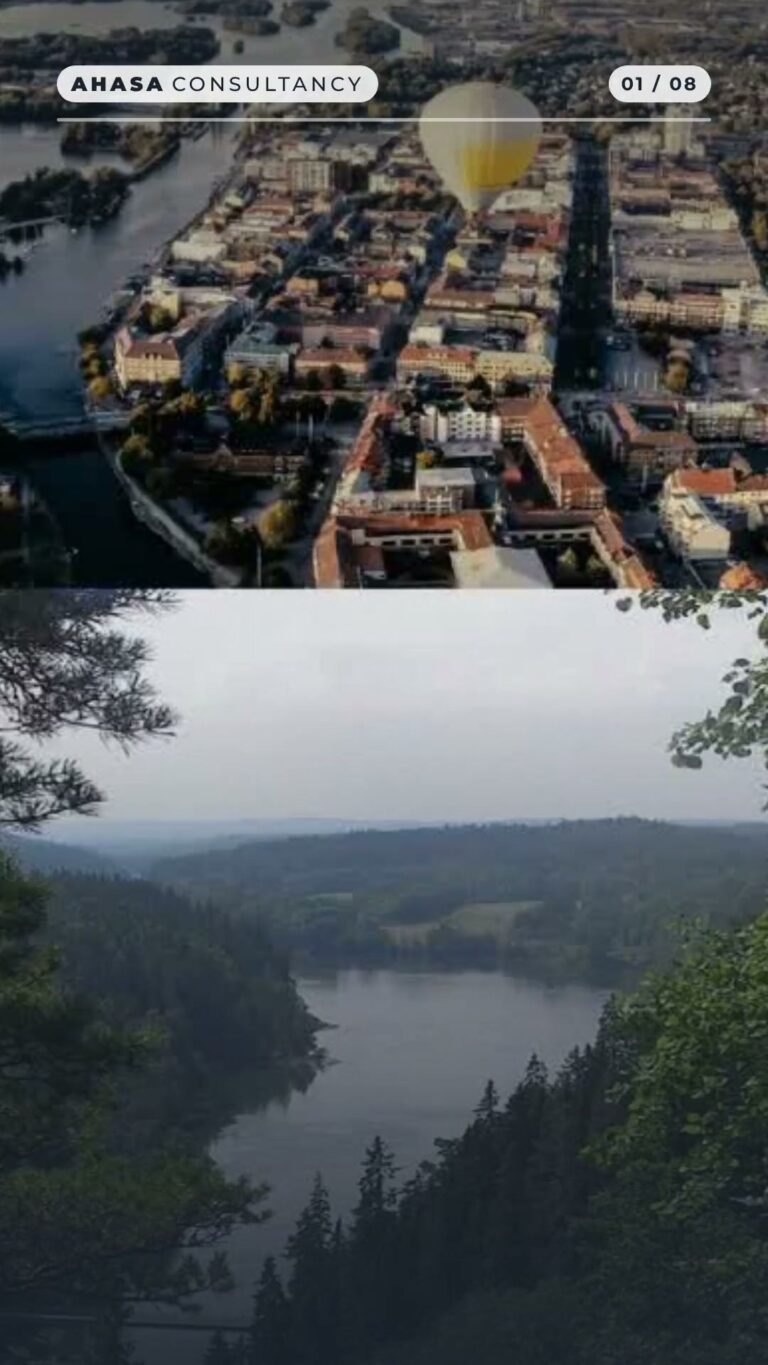
Sweden is the largest of the Nordic countries and one of Europe’s most established destinations for international students. Its universities have taught in English for decades, and Swedish engineering, automation and environmental research carry weight well beyond Europe.
For students with families, Sweden is unusual: dependents can join you and work full time while you study. That is a materially different proposition from the Baltics, where dependents generally join only after graduation.
Term-time work is capped lower than in the Baltics, which reflects how Swedish programmes are structured — the academic load is heavy and full-time study is treated as exactly that. Graduates get twelve months to find work.
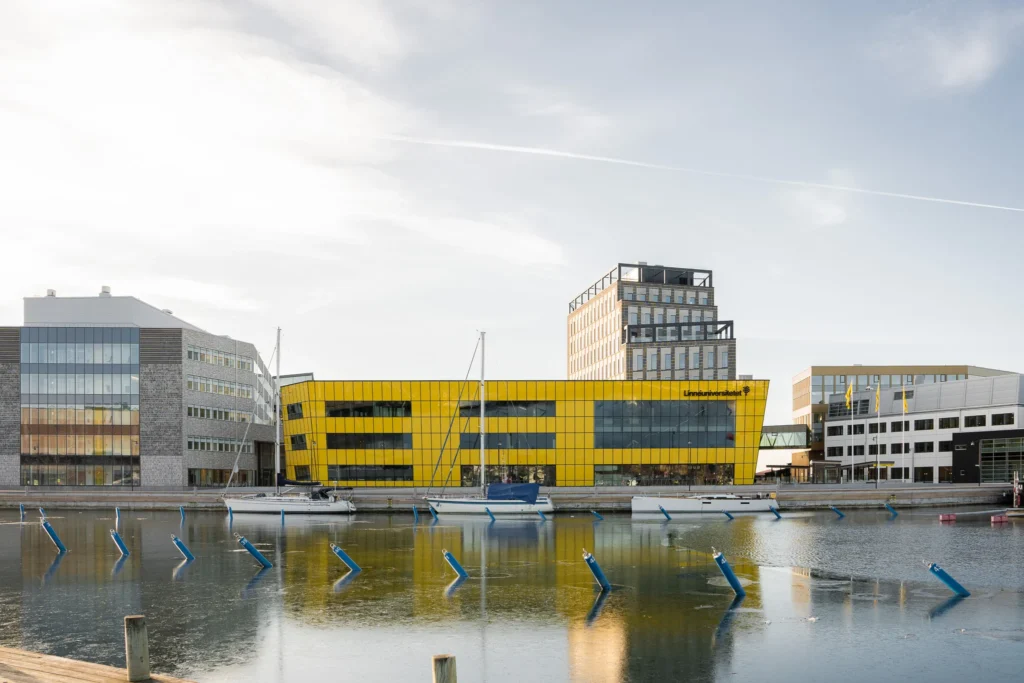
A modern public university across two southern campuses, with a broad English-taught portfolio spanning business, computer science, design and the environmental sciences.
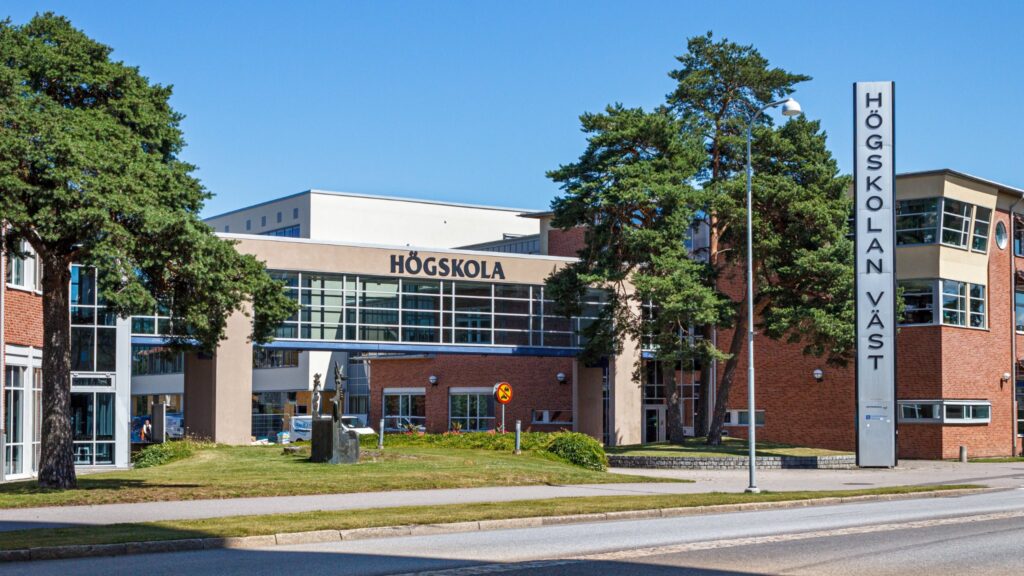
Known for work-integrated learning, where periods in industry are built into the degree rather than bolted on. Strong in production engineering and manufacturing technology.
Requirements vary by institution and by programme. These are the documents every file needs.
Sweden is not the cheapest destination in Europe, and it does not pretend to be.
Tuition varies widely by field, and each university sets its own fees. Living costs depend on the city, on whether you take university accommodation or a private flat, and on how much you cook. The residence permit carries its own financial requirement, set by the migration authority and reviewed periodically.
We prepare a written cost estimate for every student we work with. Tuition for your specific programme, realistic monthly costs for the city you will actually live in, the current requirement for the permit, and the scholarships you may be eligible for. Built around your circumstances rather than a generic table — and there is no charge for it.

Sweden is long and thinly populated. Most international students are in Stockholm, Gothenburg or one of the university towns, where student housing is organised through the universities and the housing queue is something to start early — we will tell you when.
Outside the cities, Sweden is forest, lake and coast, and the right to roam means most of it is legally open to you. Winters in the north are long and dark; the summers, in exchange, barely end.
English is spoken almost universally, which makes daily life straightforward from day one. Swedish is worth learning if you intend to stay and work, and most universities offer free courses in it.
Here is exactly what you need to qualify from Sri Lanka, and how Ahasa handles the entire process for you.
Bachelor’s Degrees: You will need your G.C.E. O/Level and A/Level certificates. Universities in Sweden generally require at least 3 passes at A/Levels.
Master’s Degrees: A recognized Bachelor’s degree from a Sri Lankan university.
Note: All academic documents must be certified by the Ministry of Foreign Affairs in Colombo. Our team will guide you on how to get this done quickly.
To study in Sweden, IELTS (usually 5.5 – 6.5 overall) or PTE Academic are strongly recommended for a smooth visa approval. We will advise you on the exact score needed for your chosen university.
Sri Lankan students must apply for a student visa. Do not worry about the complex paperwork—we handle your university invitation and prepare you for your VFS Global appointment in Colombo. We also prepare you for any online video interviews required by the embassy.
We are official university representatives in Sri Lanka. That means we do not charge any agency or consultation fees. You only pay your official university tuition and standard visa application costs.
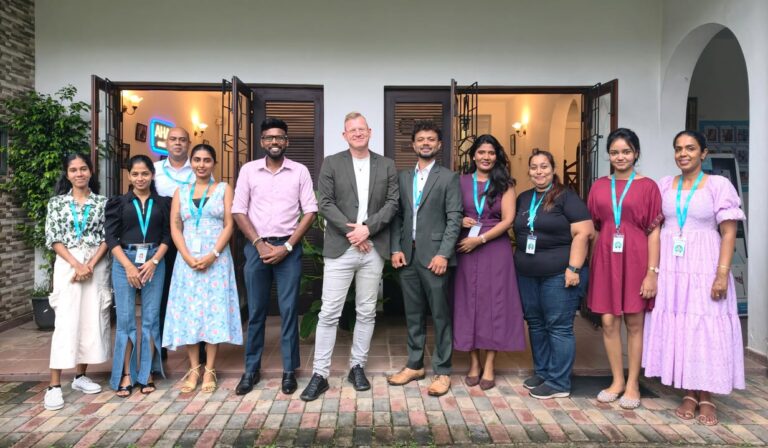
A free consultation at our Colombo or Kurunegala office, or online. Bring your transcripts and we will tell you where you stand.