Language
EnglishFull degrees taught in English
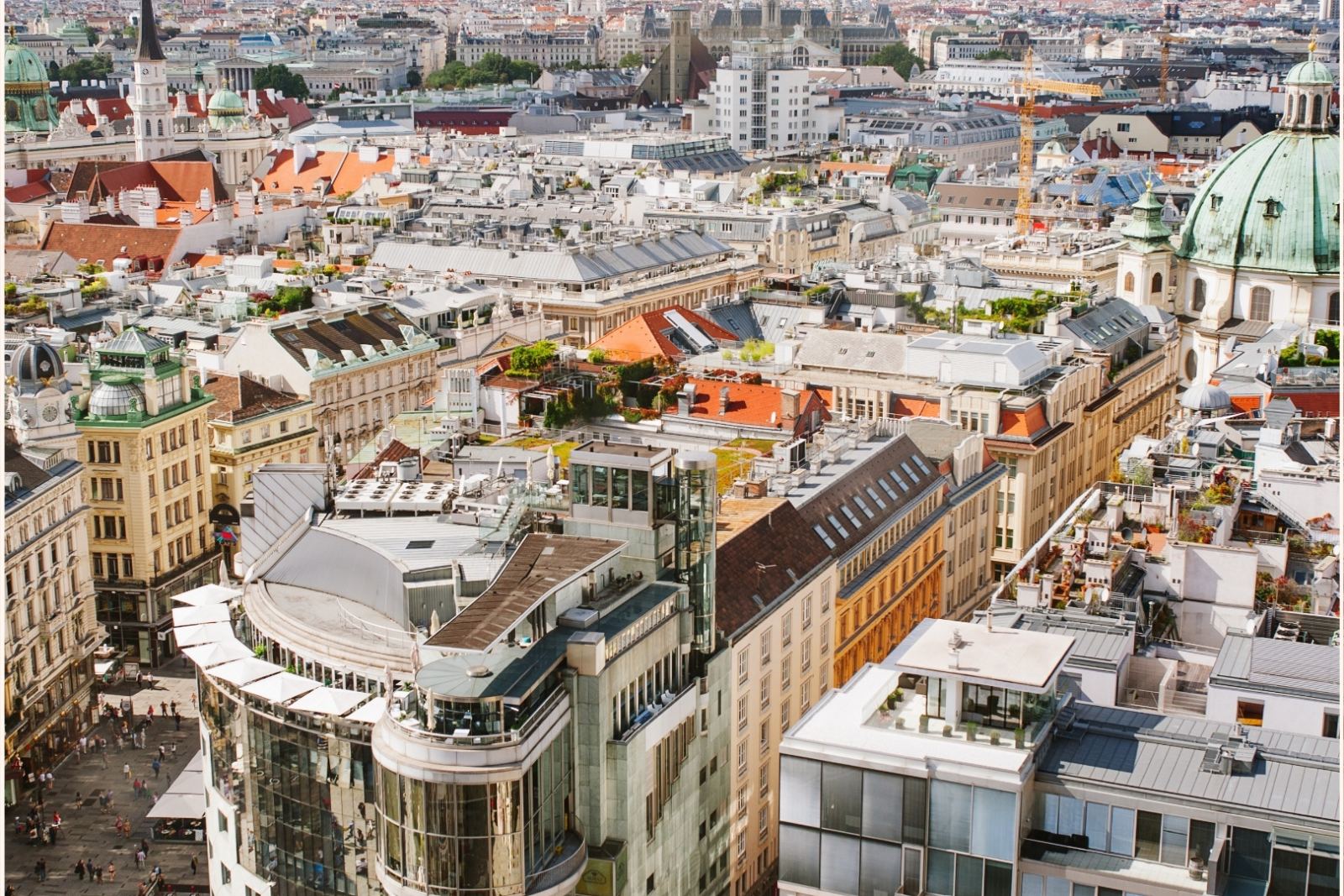
A small country with an outsized capital, and a specialism in precision industry.
Austria is compact, alpine and centred almost entirely on Vienna, a city that has topped global liveability rankings repeatedly and is unusually affordable for what it offers — largely because of a century-old social housing system that keeps rents down.
Austrian industry specialises in precision: micro-electronics, industrial automation, environmental engineering. It is a smaller economy than Germany’s, but it recruits from a smaller pool, and graduates of Austrian institutions are visible in it.
Students may work twenty hours a week during term, dependents may accompany you, and graduates get twelve months to find work.
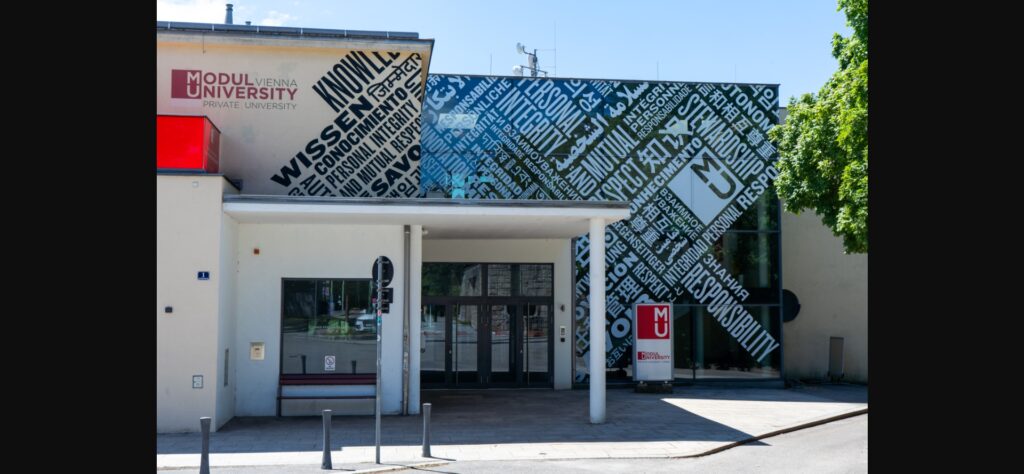
A private international university teaching entirely in English, specialising in tourism and hospitality management, international management, sustainability and new media technology.
Requirements vary by institution and by programme. These are the documents every file needs.
Vienna is cheaper to live in than its reputation suggests, and cheaper than Munich or Amsterdam.
Tuition varies widely by field, and each university sets its own fees. Living costs depend on the city, on whether you take university accommodation or a private flat, and on how much you cook. The residence permit carries its own financial requirement, set by the migration authority and reviewed periodically.
We prepare a written cost estimate for every student we work with. Tuition for your specific programme, realistic monthly costs for the city you will actually live in, the current requirement for the permit, and the scholarships you may be eligible for. Built around your circumstances rather than a generic table — and there is no charge for it.
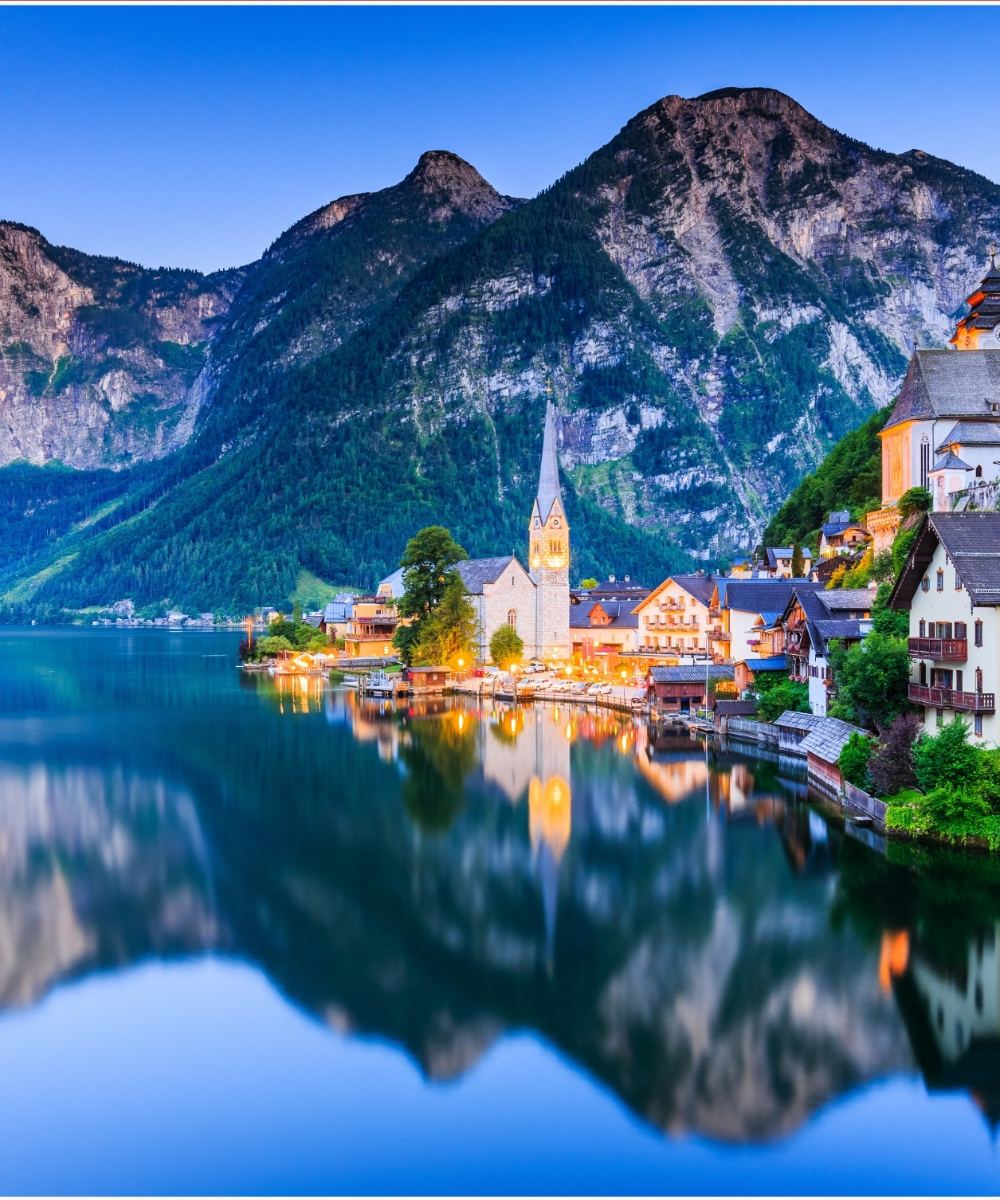
Vienna holds around a fifth of Austria’s population and almost all of its international student life. The public transport system is comprehensive and the annual student pass is inexpensive; most students never need a car.
Rents in Vienna are markedly lower than in comparable Western European capitals, a consequence of the city’s large publicly-owned housing stock. Student residences are plentiful and administered centrally.
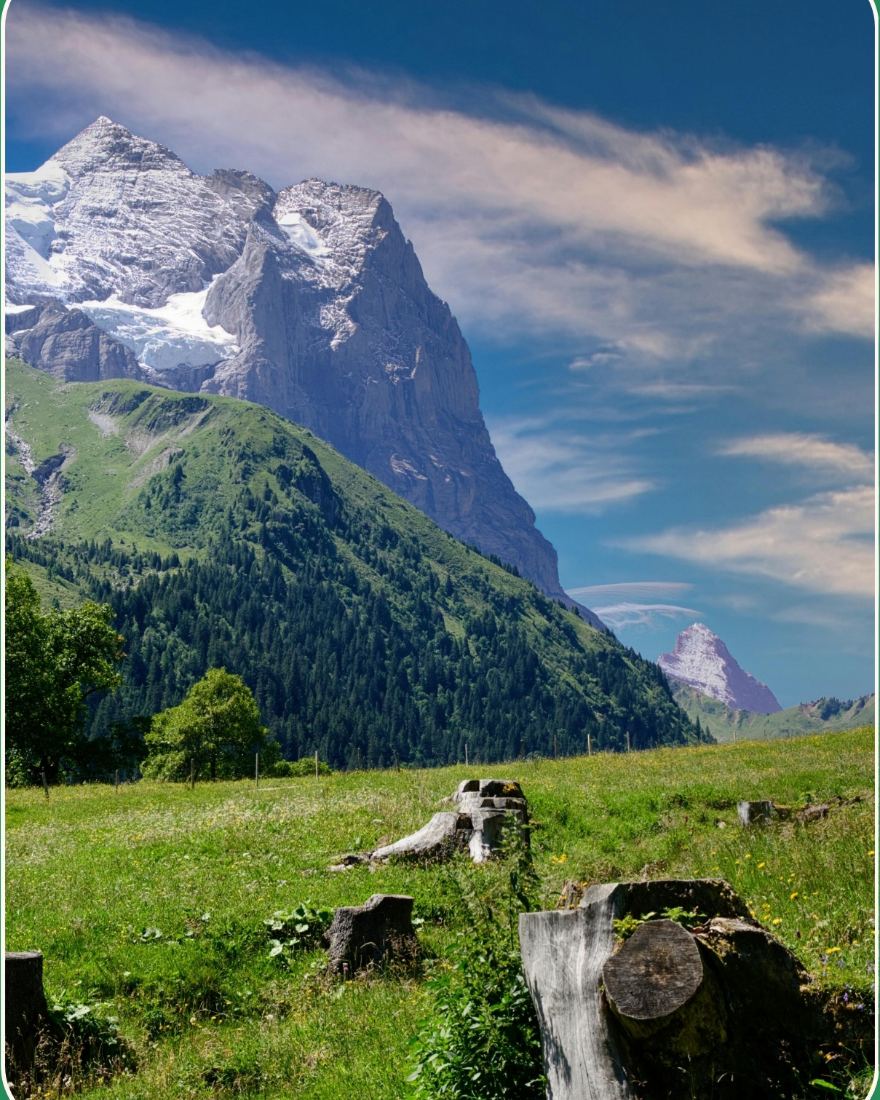
The Alps are two hours away by train, and Bratislava is an hour. English is widely spoken in the university sector and in the city, and the institution we represent teaches entirely in English.
A free consultation at our Colombo or Kurunegala office, or online. Bring your transcripts and we will tell you where you stand.