Language
EnglishFull degrees taught in English
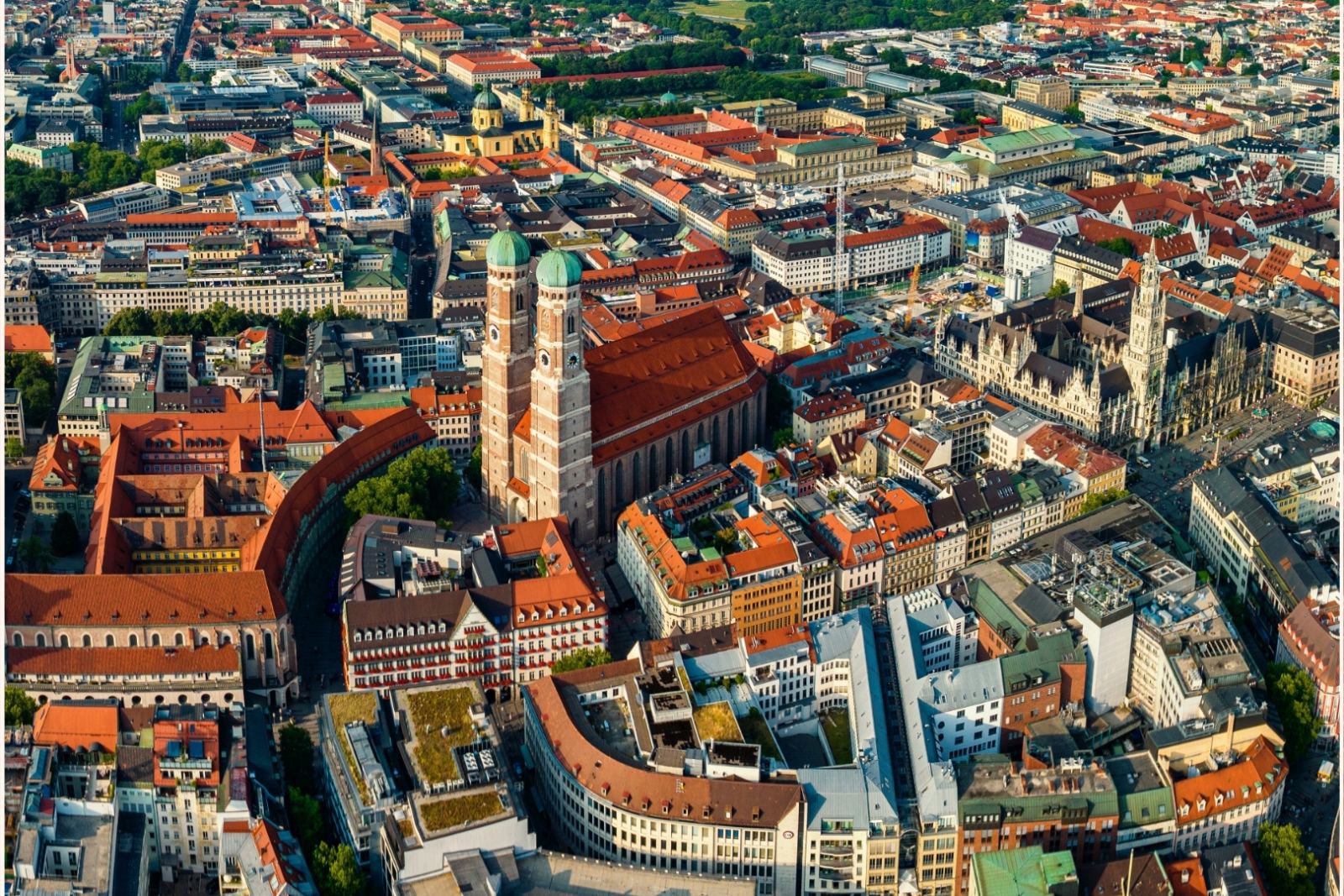
The largest economy in Europe, and the one that most reliably hires the engineers it trains.
Germany is the industrial centre of Europe — automotive, advanced manufacturing, chemicals, machine tools — and its universities are wired directly into that economy. For engineering and applied science graduates, the route from degree to employment is shorter and better-worn here than almost anywhere else.
The student visa is issued by the German Embassy in Colombo rather than through a visa agency, which means the process is more formal and the documentation is checked more closely. That is precisely the part we handle.
Germany also requires a blocked account — a fixed sum deposited before you travel, released to you monthly once you arrive. It is a real hurdle, and it is one of the first things we plan with you rather than one of the last.
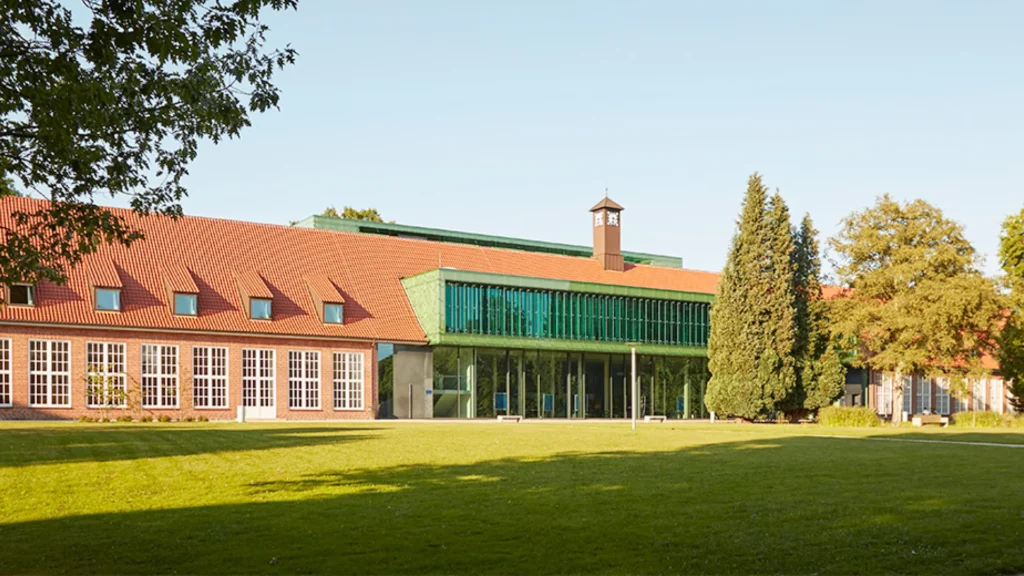
An international, English-language private research university on a residential campus in Bremen, with a heavy science, engineering and data focus and students from more than a hundred countries.

A private business school in Munich teaching entirely in English, with bachelor’s and master’s programmes in management and international business and close ties to the Bavarian business community.
Requirements vary by institution and by programme. These are the documents every file needs.
Germany requires a blocked account before you travel, which is the largest single item to plan for.
Tuition varies widely by field, and each university sets its own fees. Living costs depend on the city, on whether you take university accommodation or a private flat, and on how much you cook. The residence permit carries its own financial requirement, set by the migration authority and reviewed periodically.
We prepare a written cost estimate for every student we work with. Tuition for your specific programme, realistic monthly costs for the city you will actually live in, the current requirement for the permit, and the scholarships you may be eligible for. Built around your circumstances rather than a generic table — and there is no charge for it.
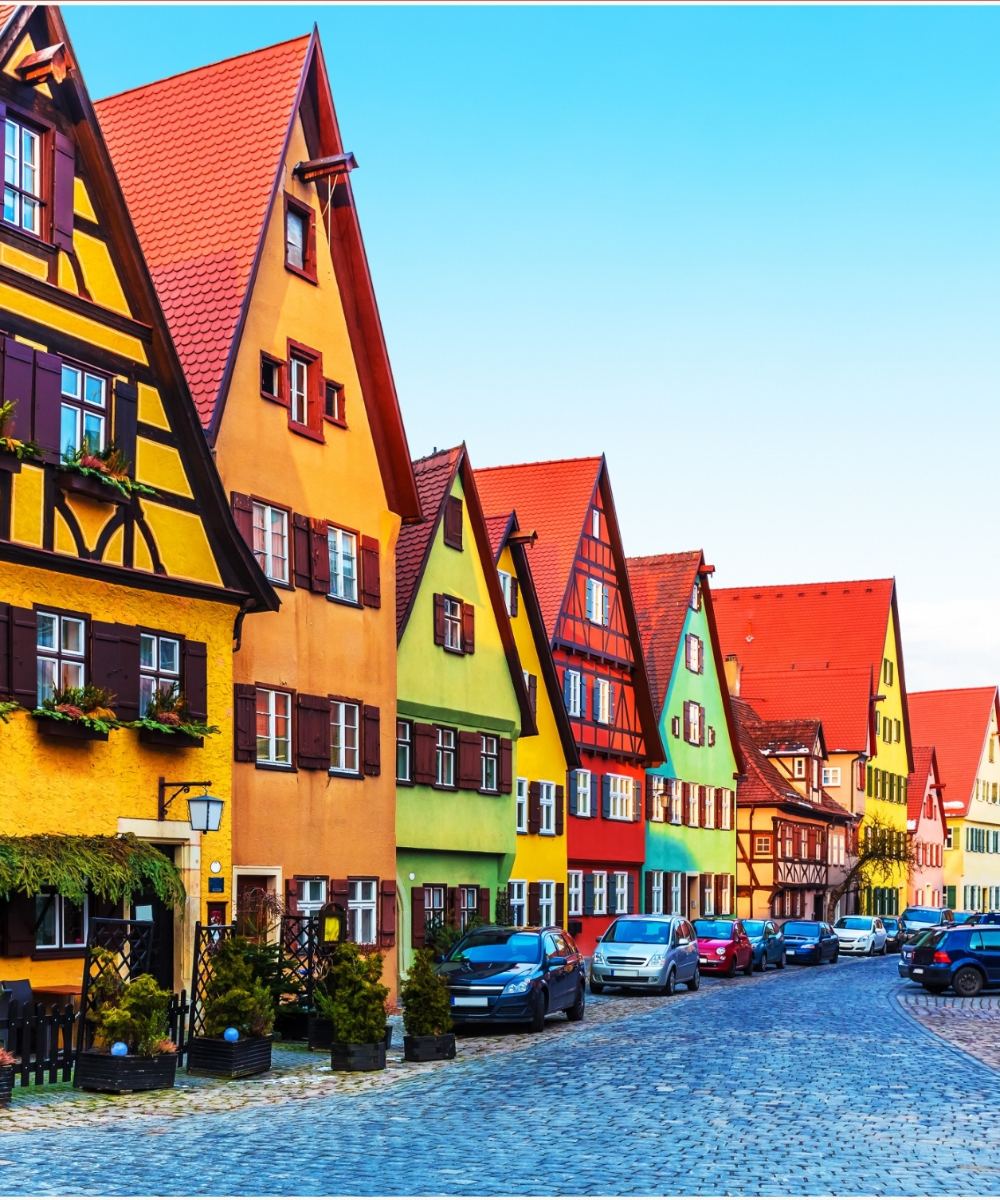
Germany is a country of many mid-sized cities rather than one dominant capital, and student life differs sharply between them. Munich and Frankfurt are expensive; Bremen, Leipzig and much of the east are markedly less so, with the same quality of teaching.
Public transport is comprehensive and student tickets are heavily subsidised. Most students live without a car and cross the country by train.
English is widely spoken in the universities and in the larger cities, and both institutions we represent teach in English. German is worth learning if you intend to stay and work — it widens the job market considerably — and universities offer courses alongside your degree.
A free consultation at our Colombo or Kurunegala office, or online. Bring your transcripts and we will tell you where you stand.