Language
EnglishFull degrees taught in English
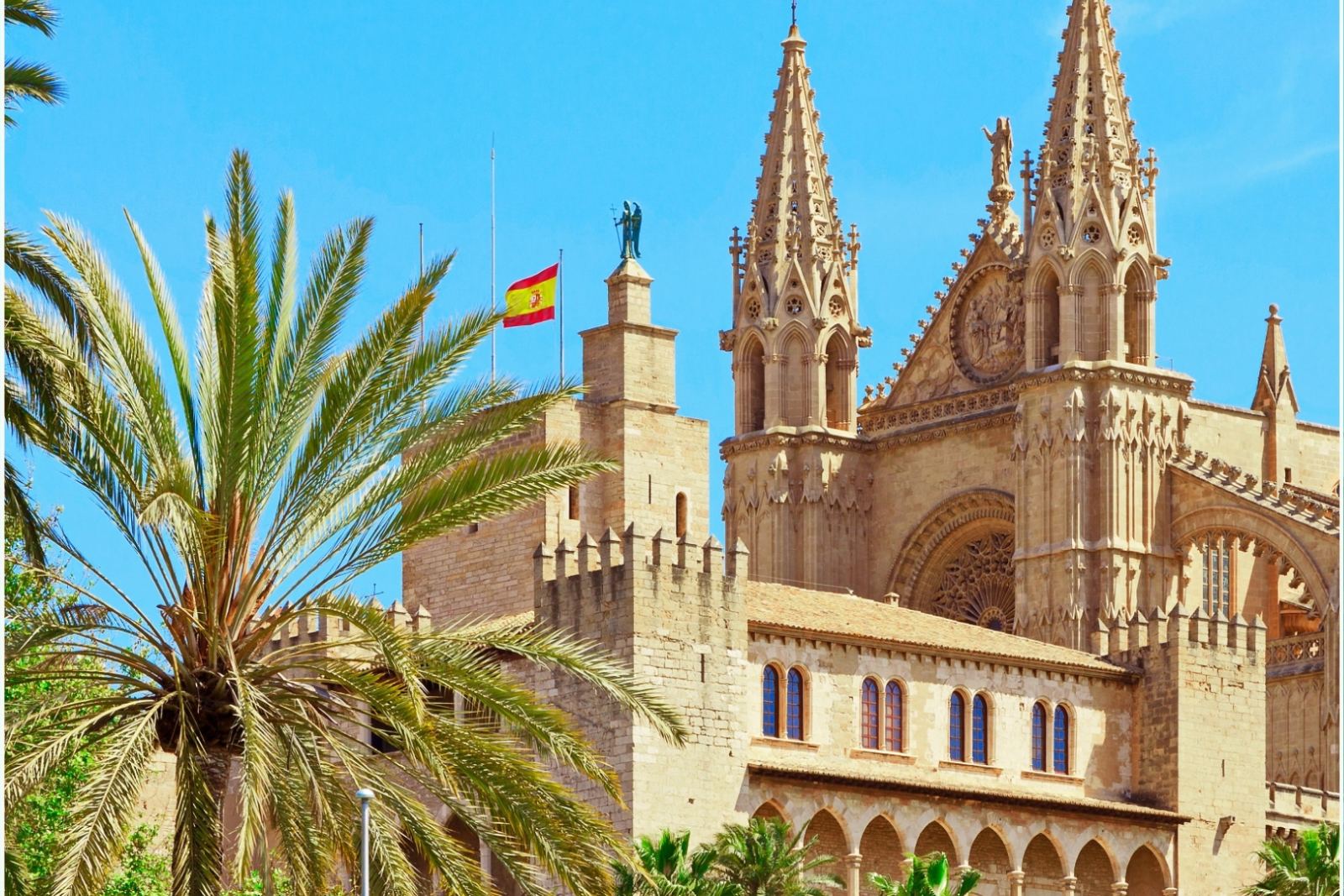
Thirty hours of work a week and full family rights — an unusual combination in Southern Europe.
Spain combines things that rarely appear together: thirty hours of permitted work a week, dependents who can join you with full work rights, a twelve-month job-search permit, and a visa filed in Colombo rather than New Delhi.
The country has invested heavily in renewable energy infrastructure and has a growing biotechnology sector, alongside the established technology hubs in Madrid, Barcelona and Valencia.
The institution we represent, UCAM, is in Murcia in the south-east — a real Spanish city rather than an international bubble, with costs well below Madrid or Barcelona and a strong record in sport science and health.
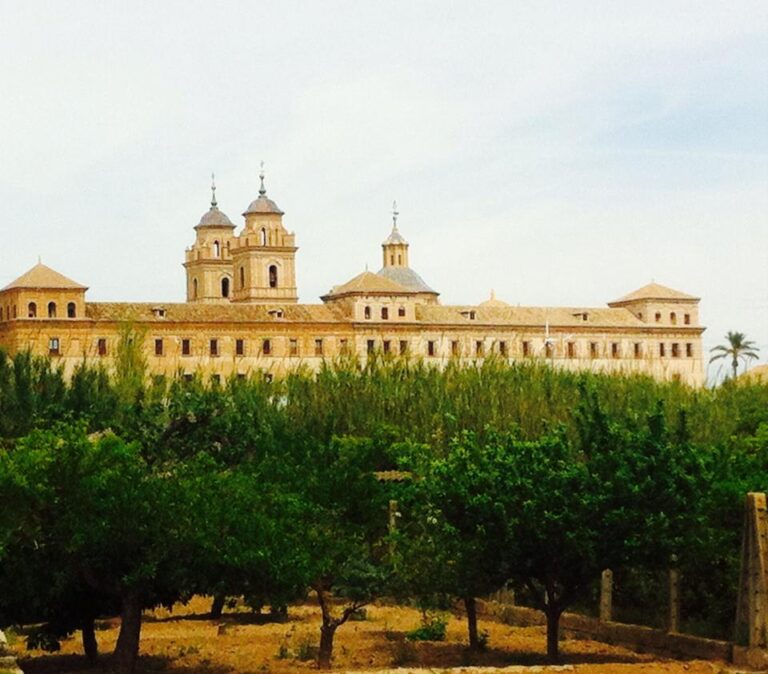
A private university in south-east Spain with English-taught programmes and a particularly strong record in sport science, health and physiotherapy, including work with elite athletes.
Requirements vary by institution and by programme. These are the documents every file needs.
Spain is mid-range for Western Europe, and Murcia is well below the Spanish average.
Tuition varies widely by field, and each university sets its own fees. Living costs depend on the city, on whether you take university accommodation or a private flat, and on how much you cook. The residence permit carries its own financial requirement, set by the migration authority and reviewed periodically.
We prepare a written cost estimate for every student we work with. Tuition for your specific programme, realistic monthly costs for the city you will actually live in, the current requirement for the permit, and the scholarships you may be eligible for. Built around your circumstances rather than a generic table — and there is no charge for it.
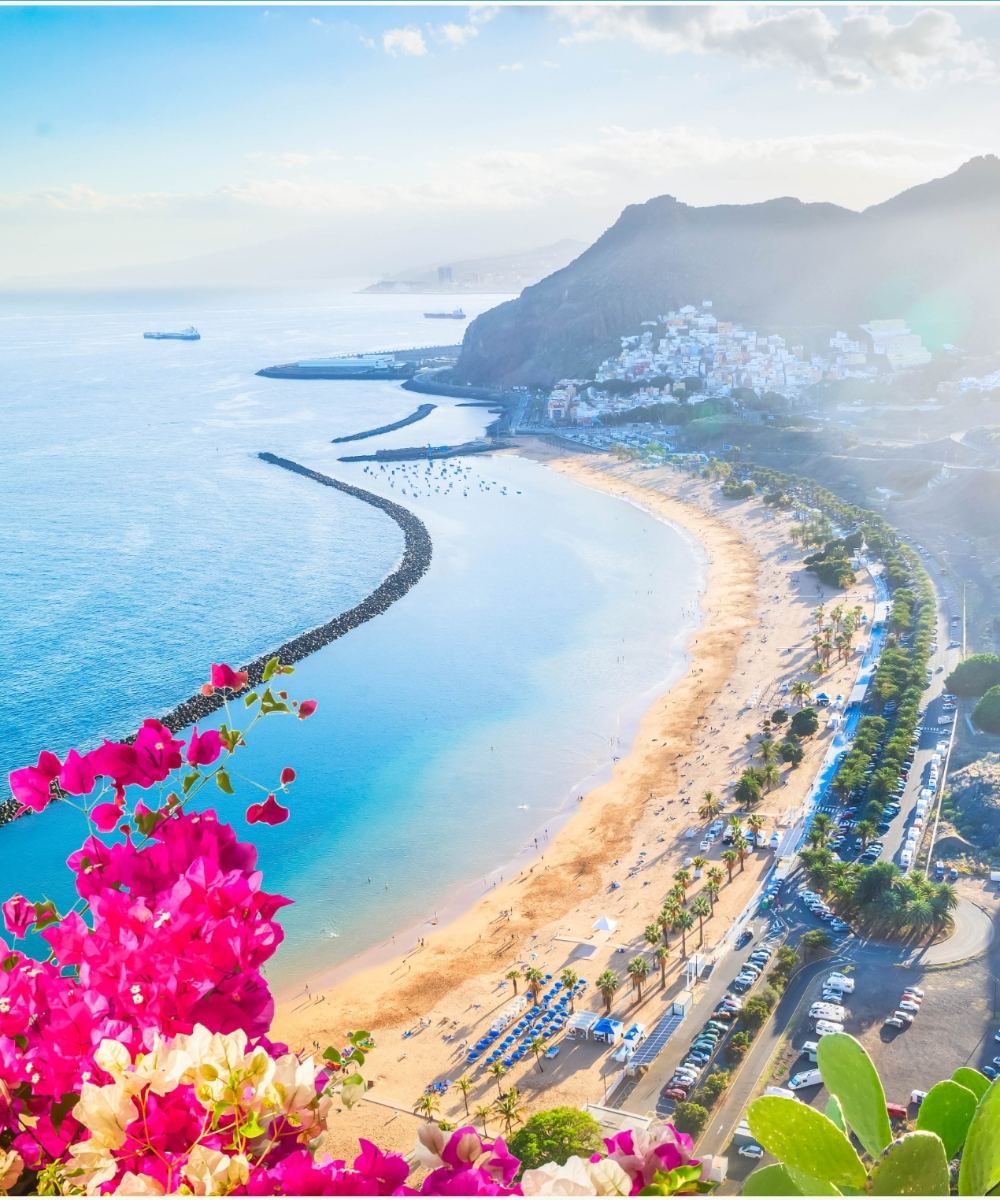
Murcia is a mid-sized city in Spain’s south-east, an hour from the Mediterranean coast, with a large student population and costs well below Madrid, Barcelona or Valencia. It is a Spanish city rather than an international one, which is harder at first and better later.
The climate is among the warmest and driest in Europe. Winters are mild, summers are long and hot, and outdoor life continues year-round in a way it simply does not in the Baltics.
Spanish is worth learning here, more than in the Nordic countries — daily life outside the university runs in Spanish, and it will widen both your part-time work options and your experience of the place. The university teaches in English and offers Spanish alongside.
A free consultation at our Colombo or Kurunegala office, or online. Bring your transcripts and we will tell you where you stand.