Language
EnglishFull degrees taught in English
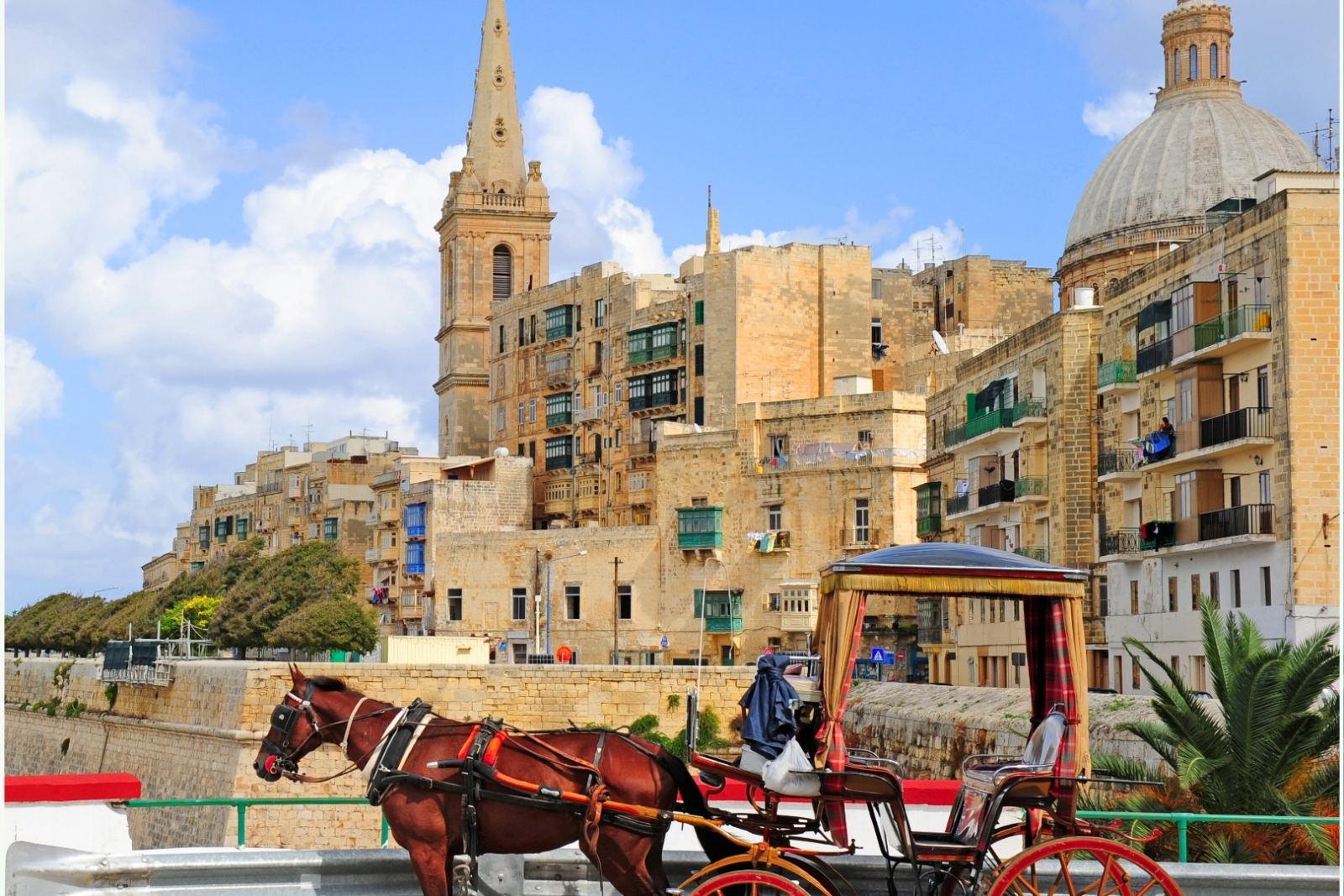
The only English-speaking country in the European Union’s Mediterranean.
Malta is an English-speaking member of the European Union — English is an official language, not merely a language of instruction — which removes an entire category of friction from daily life, part-time work and internships.
It is a small country with a concentrated economy: iGaming, maritime logistics, financial services and tourism. Those sectors hire in English and they hire students, which is why the twenty-hour work allowance goes further here than the number suggests.
We represent five Maltese institutions, from the national university to specialist colleges in tourism and the applied sciences. The residence permit is filed at VFS Colombo.

The national university, founded in the sixteenth century and one of the oldest in the Mediterranean, teaching the full range of disciplines in English on a single large campus.
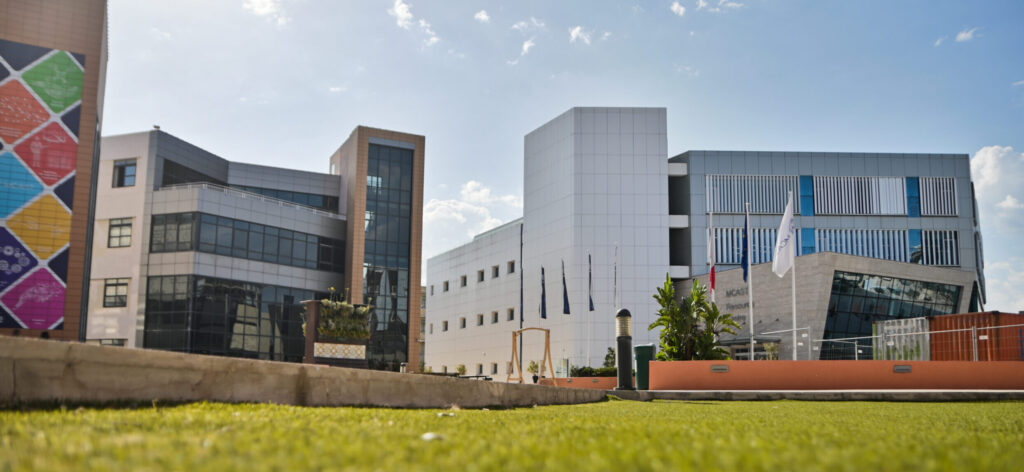
Malta’s principal vocational and applied institution, running technical and professional programmes with employer involvement written into the curriculum.
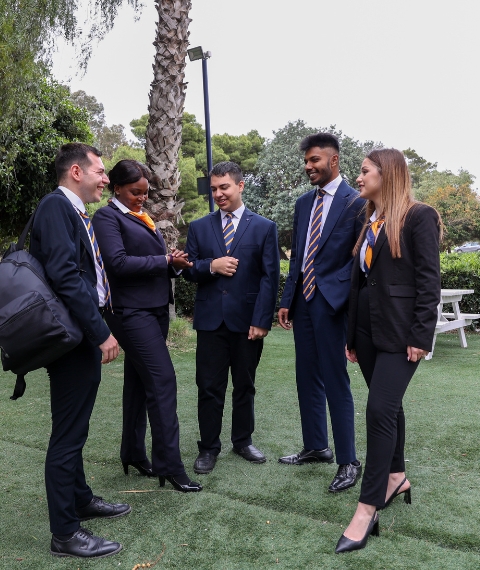
A specialist institution for hospitality, culinary arts and tourism management, on a purpose-built campus, in a country where tourism is a principal industry.
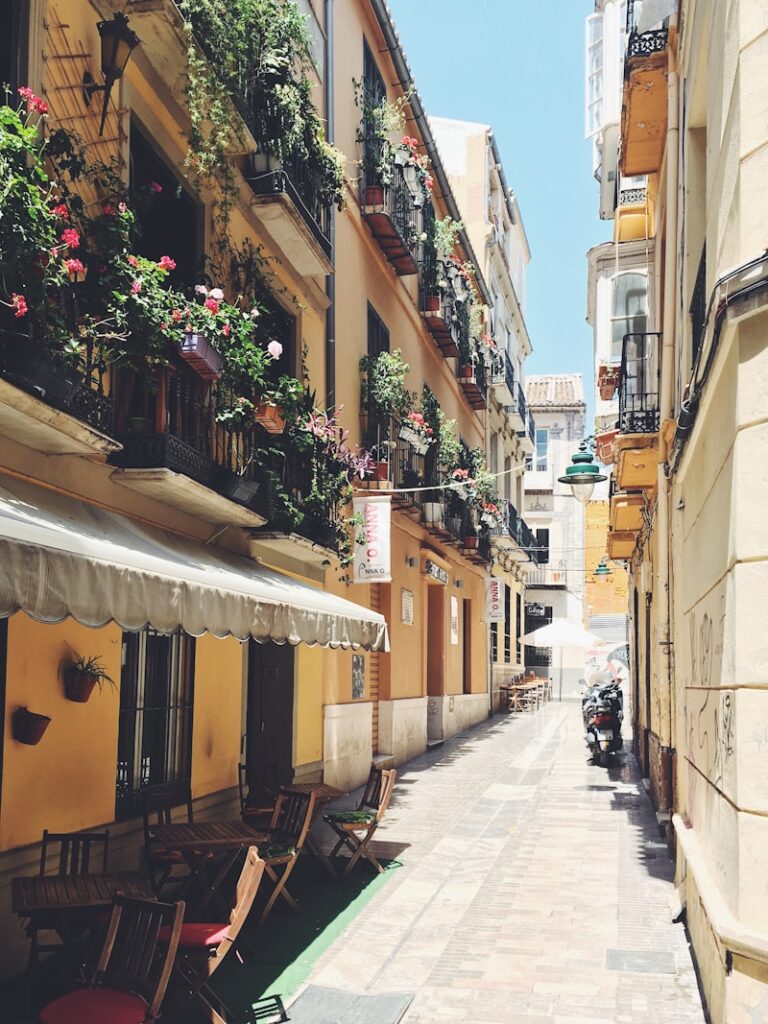
A long-established institute offering University of London degrees in computing and business, giving a British qualification from a Maltese campus.
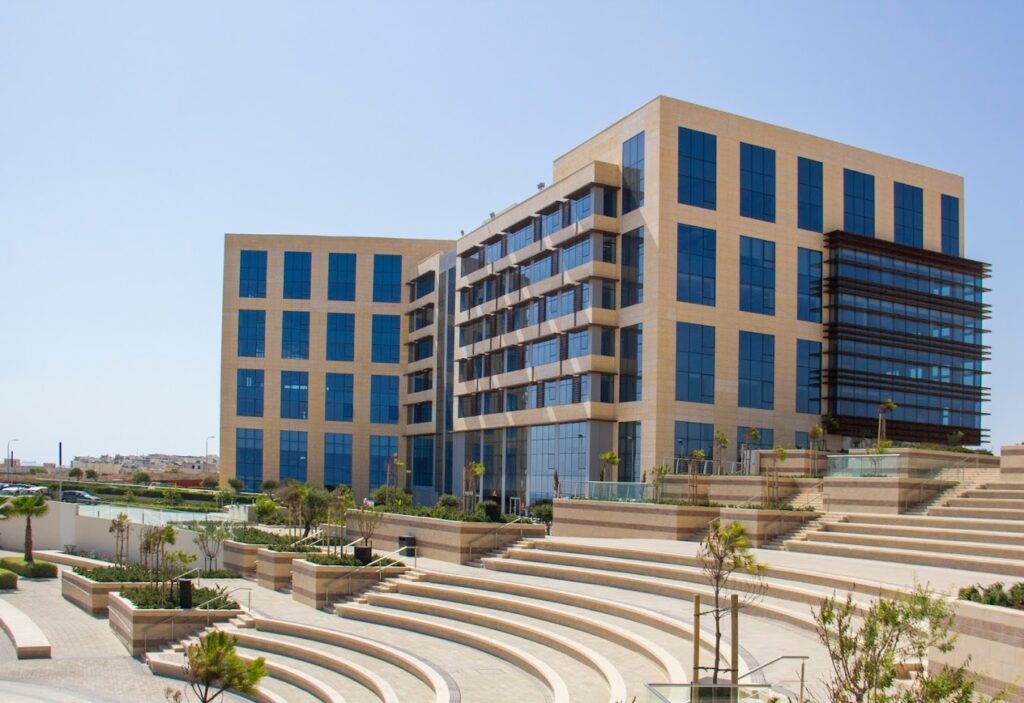
A private college in Malta’s technology park offering business and computing programmes with a small, international cohort.
Requirements vary by institution and by programme. These are the documents every file needs.
Malta is mid-range for the European Union, with accommodation the main variable.
Tuition varies widely by field, and each university sets its own fees. Living costs depend on the city, on whether you take university accommodation or a private flat, and on how much you cook. The residence permit carries its own financial requirement, set by the migration authority and reviewed periodically.
We prepare a written cost estimate for every student we work with. Tuition for your specific programme, realistic monthly costs for the city you will actually live in, the current requirement for the permit, and the scholarships you may be eligible for. Built around your circumstances rather than a generic table — and there is no charge for it.
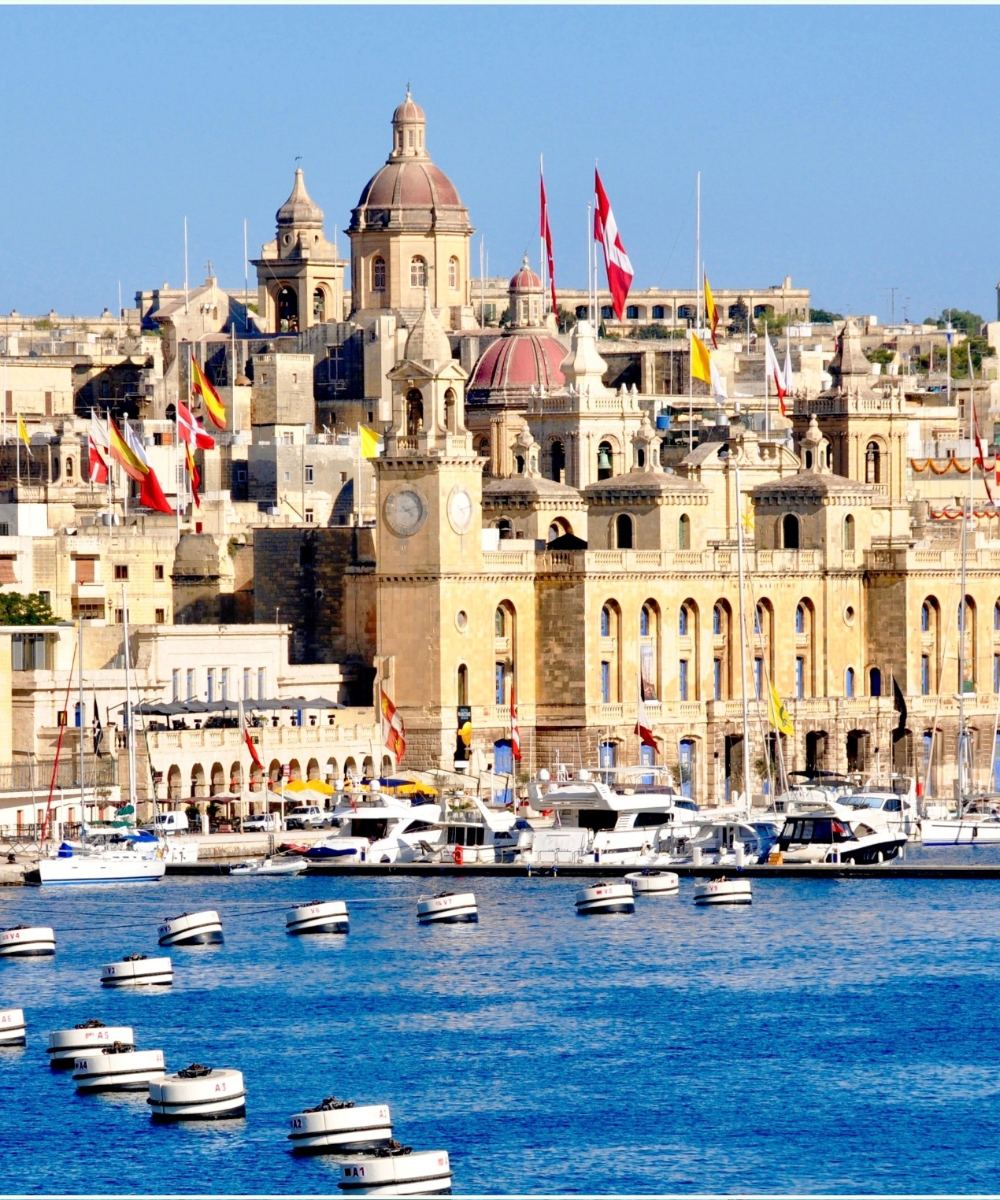
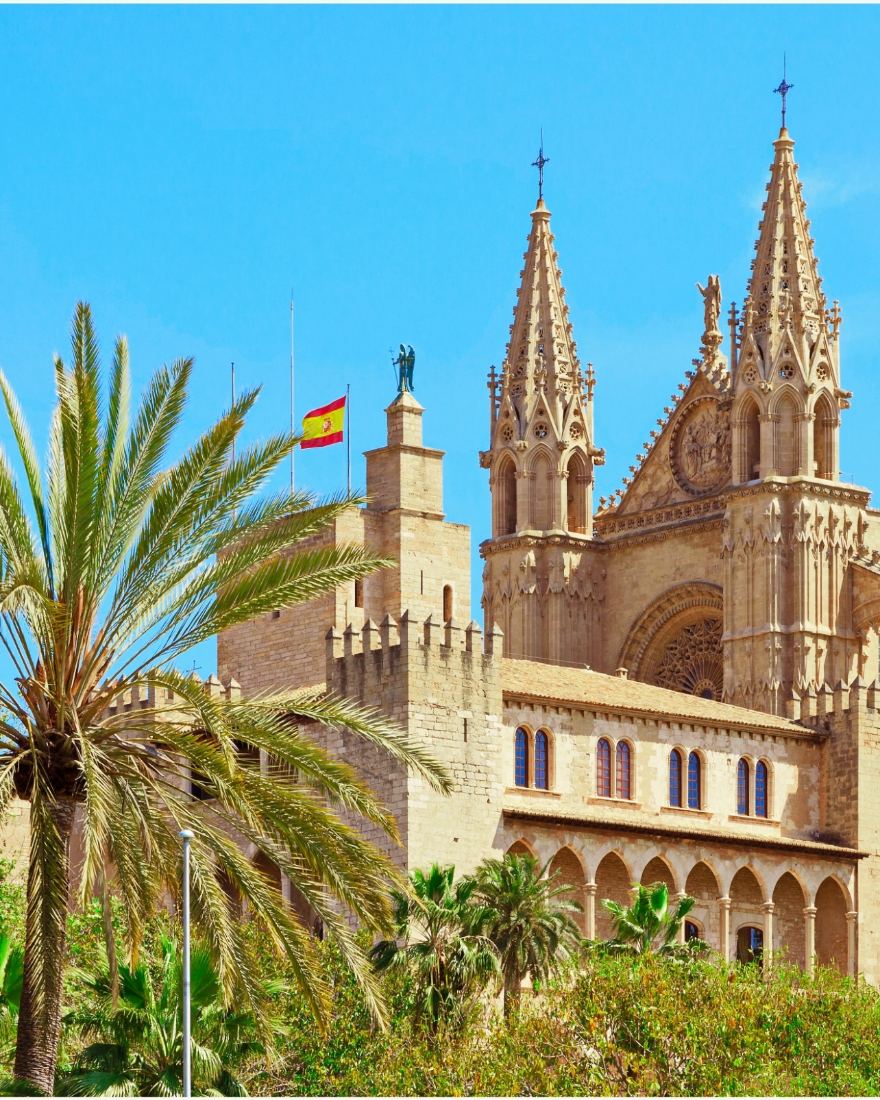
Malta is small — the whole country is smaller than most European cities — and everything is within a bus ride. Most students live around Sliema, Msida and the university corridor, close to campus and to the sea.
The climate is the mildest of any destination we represent: winters are short and rarely cold, summers are long and hot. For students coming from Sri Lanka, the adjustment is far smaller than moving to the Baltics or Scandinavia.
English is everywhere, in the shops as much as the lecture halls, which makes part-time work and internships accessible from the first week rather than the second year.
A free consultation at our Colombo or Kurunegala office, or online. Bring your transcripts and we will tell you where you stand.